
Welcome to Pharloom
Hollow Knight: Silksong puts you in the role of Hornet, the Princess-Protector of Hallownest, as she finds herself trapped in the mysterious kingdom of Pharloom. Unlike the original Hollow Knight where you played the silent, nail-wielding Knight, Hornet is faster, more agile, and fights with a needle and thread rather than a nail and soul.
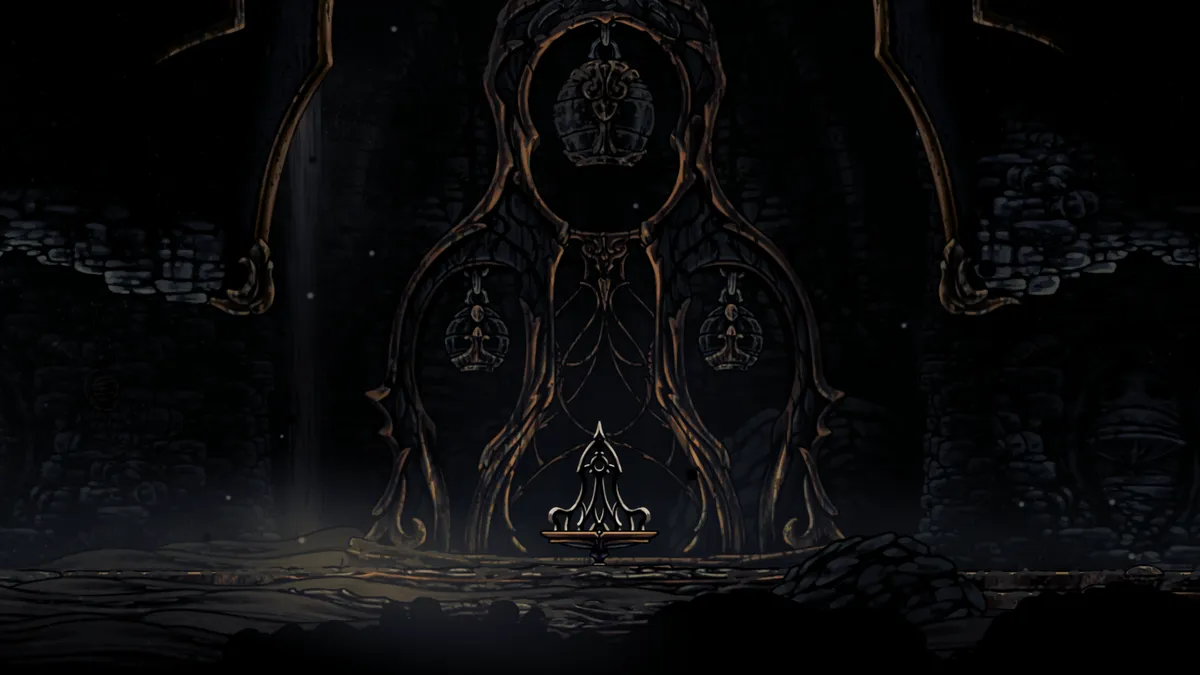
If you're new to the Hollow Knight series — or even if you're a veteran of the first game — Silksong introduces enough new mechanics that it's worth taking the time to understand the fundamentals. This guide covers everything you need to know to get started confidently.
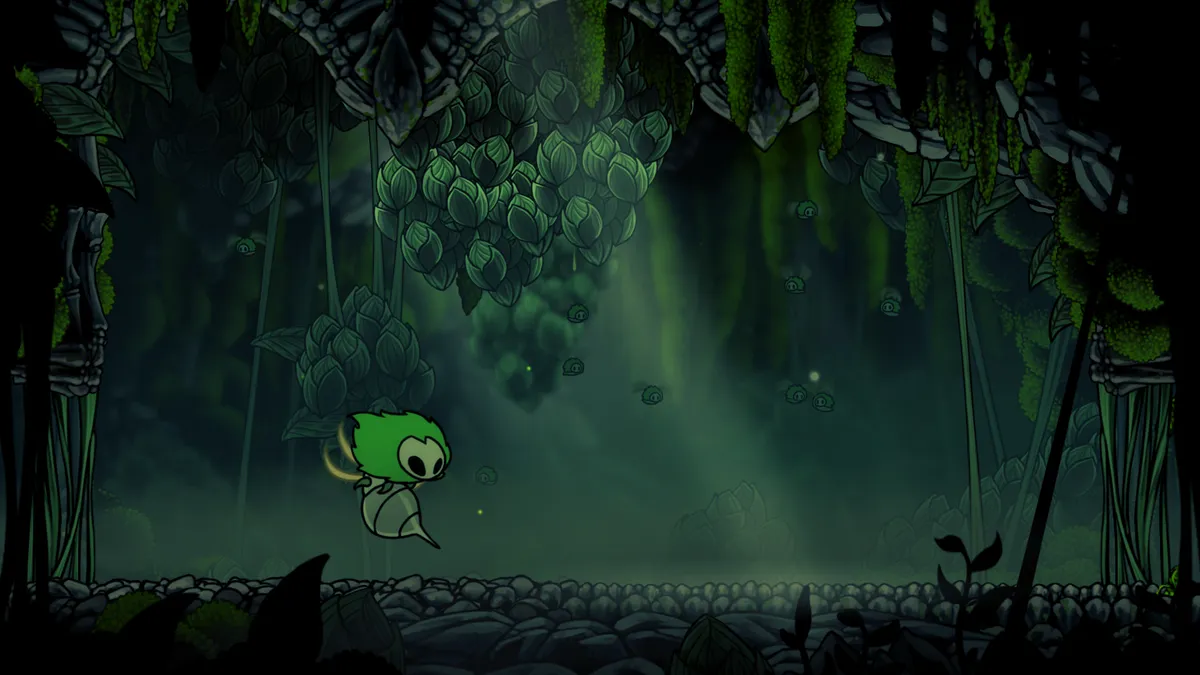
Controls and Basic Movement
Core Controls
Hornet's control scheme is similar to Hollow Knight but with key differences:
| Action | Keyboard | Controller |
|---|---|---|
| Move | Arrow Keys / WASD | Left Stick |
| Jump | Z / Space | A / Cross |
| Attack (Needle) | X / J | X / Square |
| Bind (Heal) | A / K | R1 / RB |
| Tool Use | S / L | R2 / RT |
| Silk Skill | D / ; | L1 / LB |
| Dash | C / Shift | B / Circle |
| Map | Tab / M | Minus / Touchpad |
| Quick Map | Hold Up + Map | Hold Up + Map |
Movement Fundamentals
Hornet is significantly faster than the Knight from Hollow Knight. Her base movement speed, jump height, and air control are all superior. Here's what to know:
- Double Jump (Faydown Cloak): Not available at the start — you'll earn this in Act 2. Until then, single jumps and wall-clings are your vertical mobility.
- Wall Cling: Hornet can grab and cling to walls temporarily. Jump off walls to gain height. Early in the game, this is your primary way to reach high platforms.
- Dash (Swift Step): A quick horizontal burst of speed. You're briefly invulnerable during the dash, making it your primary dodge tool.
- Pogo: Press down + attack while airborne to bounce off enemies and certain objects. This keeps you airborne and deals damage simultaneously. Master this early — it's fundamental to Silksong's combat.
Camera and Orientation
The game doesn't hold your hand with directions. Pay attention to environmental cues:
- Light sources often indicate paths forward
- Background details reveal the relative depth of an area
- Sound cues (humming, water, wind) hint at nearby secrets or NPCs
Understanding the Silk System
Silk is the single most important mechanic in Silksong. It replaces Soul from the original game and governs your healing, special abilities, and some tool usage.
How Silk Works
- Generation: You gain Silk by hitting enemies with your needle. Every landed attack adds Silk to your Spool.
- Spool: The Silk Spool (displayed below your health masks) shows your current Silk reserves. It starts small but can be expanded with Spool Fragments.
- Spending: Silk is consumed by Binding (healing), using Silk Skills, and activating certain Tools.
The Aggression Loop
This is the core gameplay loop of Silksong and the most important concept for beginners:
Attack → Generate Silk → Use Silk to Heal/Attack → Repeat
Unlike Hollow Knight, where you could play defensively and Focus-heal during safe windows, Silksong demands aggressive play. If you stop attacking, you stop generating Silk. If you stop generating Silk, you can't heal. This means:
- Running away from enemies is a losing strategy
- The safest way to play is to stay engaged and keep your Spool full
- Offensive play IS defensive play in Silksong
Binding (Healing)
Press the Bind button to spend Silk and heal one Mask of health. Critical tips:
- Bind in mid-air, not on the ground. This is the #1 tip for new players. Jump, then Bind while airborne. Ground Binding leaves you vulnerable to attacks.
- Wait for openings. Don't panic-Bind immediately after getting hit. Wait for the enemy to finish their attack combo, then jump and Bind during their recovery.
- Don't hoard Silk. If you're at full health, use Silk for Skills instead. Unused Silk is wasted potential.
Combat Basics
Needle Combat
Hornet's needle has different properties than the Knight's nail:
- Faster attack speed — You can swing more frequently, generating Silk faster
- Slightly shorter base range — Compensated by speed and the Longclaw Tool later
- Directional attacks — You can attack in four directions: left, right, up, and down (pogo)
- No charged attack — Unlike the Knight's nail arts, Hornet uses Silk Skills for heavy hits
The Pogo
Pressing down + attack while airborne performs a downward strike (Pogo) that bounces Hornet off the target. This is arguably the most important combat technique in the game:
- Keeps you airborne — Staying in the air makes you harder to hit
- Deals damage — Every pogo bounce is a full damage hit
- Generates Silk — Each bounce adds Silk to your Spool
- Repositions you — The bounce sends you upward, giving you time to assess
Against large, slow bosses, you can sometimes pogo continuously for massive damage while remaining completely safe above their attack range.
Tools Overview
Tools are equippable items that modify your combat, defense, and exploration:
- Red Tools — Active abilities (projectiles, traps, summons). Press the Tool button to activate.
- Blue Tools — Passive defensive bonuses. Always active when equipped.
- Yellow Tools — Passive utility bonuses (navigation, currency, etc.).
Tools are slotted into your equipped Crest. Each Crest has different slot configurations, so your build depends on which Crest you use. You can only swap Crests and Tools at Benches (save points).
Early Game Priority Tools:
- Compass (Yellow) — Shows your position on the map. Buy this from Shakra in The Marrow as soon as possible. Navigation without it is extremely difficult.
- Sting Shard (Red) — Your first combat Tool, found in Moss Grotto. A reliable projectile.
- Fractured Mask (Blue) — Reduces multi-mask damage to single-mask. Essential for survivability.
Silk Skills
Silk Skills are powerful combat techniques equipped in the White slot of your Crest. Only one can be active at a time. You'll find your first Silk Skill, Silkspear, early in the game by interacting with a statue north of Mosshome.
Don't neglect Silk Skills. They're your primary source of burst damage and can turn difficult encounters into manageable ones.
Exploration and Navigation
Maps and Shakra
Unlike Hollow Knight's Cornifer, Silksong's cartographer is Shakra — a friendly NPC who sells maps for each area. Listen for her humming when exploring; it means she's nearby.
Important: Maps don't reveal everything. They show the general layout, but secret rooms, breakable walls, and some passages won't appear until you discover them.
Always equip the Compass Tool. Without it, you can't see Hornet's position on the purchased maps. It's the most important Yellow Tool in the game.
Benches (Save Points)
Benches serve multiple purposes:
- Save your game — Progress is only permanently saved at Benches
- Heal fully — Sitting at a Bench restores all Masks and fills your Silk Spool
- Swap equipment — Change your Crest and Tool loadout
- Respawn point — You'll return to the last Bench you sat at if you die
Tip: Always sit at every Bench you find, even if you don't need to heal. This updates your respawn point and may prevent a long backtrack after death.
Currency: Rosaries
Rosaries are Silksong's currency (equivalent to Geo in Hollow Knight). They're dropped by enemies, found in the environment, and earned from certain quests.
- Death penalty: When you die, you drop all your Rosaries at the location of death. Return there to reclaim them. Die again before reclaiming and they're gone forever.
- Safe storage: The Dead Bug's Purse Tool (found in Wormways) lets you keep a portion of Rosaries on death. Equip this if you're carrying a lot of currency in dangerous areas.
- Spending priority: Maps first, then Spool Fragments from merchants, then Tools from shops.
Breakable Walls and Secrets
Pharloom is filled with hidden passages behind breakable walls. Signs to look for:
- Slightly different wall texture — Breakable walls often have subtle visual differences
- Sound cues — Hitting a breakable wall produces a distinct hollow sound
- Environmental hints — A room that seems to end abruptly may have a hidden passage
- Map gaps — Areas on the map that seem oddly shaped or disconnected often have hidden connections
Hit every suspicious wall. The rewards behind breakable walls include Spool Fragments, Mask Shards, Tools, and Rosary caches.
Recommended Early Game Route
Here's an optimized route for the first few hours of the game:
Phase 1: Moss Grotto (Tutorial)
- Learn basic controls through the tutorial area
- Defeat Moss Mother (first boss — very easy, teaches Binding)
- Collect the Sting Shard Tool
- Find your first Spool Fragment south of Mosshome
- Get the Silkspear Silk Skill from the statue north of Mosshome
Phase 2: Deep Docks
- Explore thoroughly — there are 5 collectibles here
- Fight Lace (first real challenge — learn her patterns, practice dodging)
- Buy the Straight Pin Tool from the merchant
- Find the second Spool Fragment in southern Deep Docks
Phase 3: The Marrow
- Buy the Compass from Shakra immediately — This is your #1 priority
- Defeat Skull Tyrant for area progression
- Defeat Bell Beast to unlock the Bellway fast travel system — this is critical for reducing backtracking
- Pick up the Warding Bell Blue Tool
Phase 4: Bilewater / Exhaust Organ
- Head to Bilewater to find the Exhaust Organ
- Defeat the Phantom boss to obtain Cross Stitch — the best Silk Skill in the game
- Cross Stitch lets you parry and counter-attack, transforming your defensive options
Phase 5: Exploration
After getting Cross Stitch and the Bellway fast travel, you're well-equipped to explore freely:
- Hunter's March — Pick up the Curveclaw Tool and progress the Beast Crest quest
- Greymoor — Find the Druid's Eye Blue Tool and Thread Storm Silk Skill
- Far Fields — Optional boss Fourth Chorus and Drifter's Cloak
Essential Tips for New Players
Combat Tips
- Stay aggressive. Silk generation requires attacking. Passivity will kill you.
- Always Bind in mid-air. Jump first, heal second. Ground healing is a death sentence against fast enemies.
- Learn boss patterns before trying to kill them. On your first attempt against a new boss, focus on dodging and learning tells. Attack on subsequent tries once you understand the rhythm.
- Use your Silk Skill. Many new players forget about their equipped Silk Skill. It deals massive damage and can finish off bosses quickly.
- Pogo is your best friend. Against large enemies, continuous pogoing deals tremendous damage while keeping you safe.
Exploration Tips
- Buy maps from Shakra before anything else. Maps dramatically reduce time spent lost.
- Equip Compass permanently. Until you've memorized an area, the Compass should never leave your Yellow slot.
- Sit at every Bench. Update your respawn point frequently to minimize backtrack time after deaths.
- Hit every wall. Secrets are everywhere. The game rewards thorough exploration with powerful items.
- Listen for audio cues. Shakra's humming, water sounds, wind — the audio design is deliberately informative.
Resource Management Tips
- Don't hoard Rosaries. Spend them on maps, Spool Fragments, and Tools whenever merchants are available. Dead Rosaries earn nothing.
- Spool Fragments are the highest priority collectible. More Silk capacity = more survivability = easier everything.
- Upgrade your Crafting Kit and Tool Pouch when possible. These increase your build flexibility and Tool effectiveness.
General Tips
- The game doesn't have a quest log. Pay attention to NPC dialogue. Write down or screenshot quest instructions if needed.
- Some areas are meant to be revisited. If you see a passage you can't access, mark it mentally and return later with new abilities.
- Steel Soul mode exists but isn't for beginners. Complete the game at least once on normal before attempting permadeath mode.
- The Hunter's Journal tracks enemies you've encountered. Defeating enough of each type fills in their entry with useful information.
Understanding Crests
Crests are Silksong's loadout system. Each Crest has a fixed configuration of colored slots where you equip Tools:
| Crest | Focus | Best For |
|---|---|---|
| Hunter Crest | Balanced slots | General purpose, first playthrough |
| Reaper Crest | Heavy Red slots | Maximum damage output |
| Wanderer Crest | Extra Yellow + mobility | Exploration, speedrunning |
| Beast Crest | Heavy Blue slots | Maximum survivability |
| Cursed/Witch Crest | Special | Advanced players |
For beginners: Stick with the Hunter Crest for most of your first playthrough. Its balanced slot distribution lets you experiment with different Tool combinations. Switch to the Beast Crest for particularly difficult boss fights where survival is your primary concern.
Act Structure
Silksong is divided into three Acts:
Act 1
Your initial journey through Pharloom. You'll explore areas like Moss Grotto, Deep Docks, The Marrow, Greymoor, and more. Act 1 teaches you the core mechanics and ends with the Last Judge boss at the Blasted Steps.
Act 2
Opens after defeating the Last Judge. You gain access to the Citadel and new abilities like Clawline (grapple) and the Faydown Cloak (double jump). Act 2 is larger than Act 1, with more bosses, more areas, and more complex encounters. It culminates in the fight against Grand Mother Silk.
Act 3
Accessed after a specific Act 2 ending (Snared Silk). The world changes significantly — some bosses become black-threaded (enhanced), new areas open, and the story reaches its true conclusion. Act 3 is intended for experienced players who want to see the complete story.
For beginners: Don't worry about Act 3 on your first playthrough. Focus on enjoying Acts 1 and 2 at your own pace.
What to Do When You're Stuck
Getting lost or stuck is part of the Metroidvania experience. Here's what to do:
- Check your map. Look for unexplored paths, dead ends you haven't investigated, or areas with gaps that might have breakable walls.
- Talk to NPCs. Revisit NPCs in safe areas — their dialogue often updates with hints based on your progression.
- Look for environmental clues. Platforms, roots, rails, and other visual elements often indicate the intended path.
- Backtrack with new abilities. If you just gained a new movement ability, revisit old areas. Many passages that were inaccessible before may now be reachable.
- Use the Bellway. The fast travel system (unlocked by defeating Bell Beast) lets you quickly move between major areas to check for new openings.
Differences from Hollow Knight
If you're coming from the original Hollow Knight, here are the key mechanical differences:
| Mechanic | Hollow Knight | Silksong |
|---|---|---|
| Resource | Soul | Silk |
| Healing | Focus (ground only, slow) | Bind (air or ground, faster) |
| Equipment | Charms + Notches | Tools + Crests |
| Movement | Slower, heavier | Faster, more agile |
| Combat | Nail + Nail Arts | Needle + Silk Skills |
| Cartographer | Cornifer | Shakra |
| Currency | Geo | Rosaries |
| Save Points | Benches | Benches (same) |
| Fast Travel | Stagways | Bellway |
The biggest adjustment is the shift from defensive, patient gameplay to aggressive, Silk-generating gameplay. In Hollow Knight, you could often play cautiously and Focus-heal during long windows. In Silksong, aggression is survival.
Final Advice
Hollow Knight: Silksong is a challenging game, but it's also incredibly fair. Every enemy has readable tells, every boss has learnable patterns, and the game provides all the tools you need to succeed. If something feels impossible, it usually means you need a different approach, a different build, or simply more practice.
Take your time. Explore thoroughly. Don't rush to the next objective — some of the best items and most memorable encounters in the game are hidden off the main path. Pharloom is a world worth getting lost in.
Good luck, and may your Silk never run dry.